
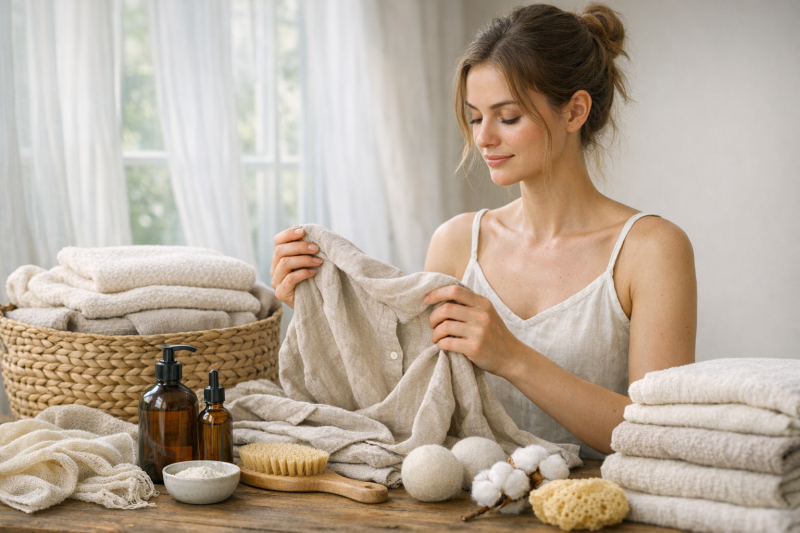
Natural fiber care is about more than keeping clothes looking good — it directly influences how textiles feel against the skin and how long they last. Fabrics made from wool, cotton, linen, or silk behave very differently from synthetic materials, and treating them correctly requires a specific understanding of their structure and needs. When natural fibers are improperly washed, stored, or dried, they lose softness, shrink, or break down prematurely. At the same time, poorly maintained textiles can harbor residues, allergens, and irritants that affect skin health over time. In 2026, growing awareness of sustainable fashion has brought renewed attention to proper natural fiber care as both an environmental responsibility and a personal wellness practice. This article explores the science behind natural fibers, the most common care mistakes, and practical solutions that help preserve textile quality while supporting healthy, comfortable skin throughout daily wear.
Understanding Natural Fibers and Their Unique Properties
Natural fibers come from plant or animal sources and carry biological structures that make them fundamentally different from synthetics. Cotton, derived from the cotton plant, is breathable and moisture-absorbent. Wool, harvested from sheep, contains lanolin — a natural wax that provides water resistance and softness. Linen, made from the flax plant, is strong and naturally antibacterial. Silk, produced by silkworms, has an exceptionally smooth protein structure that sits gently on the skin.
These properties explain why natural fibers are so valued in clothing and bedding, particularly for people with sensitive skin. However, these same biological structures make natural fibers reactive to heat, water pH, mechanical friction, and chemical detergents. A wool sweater thrown into a hot wash will felt and shrink because heat disrupts the protein scales on each fiber strand. Cotton exposed to harsh alkaline detergents loses its soft hand feel over multiple washes.
Understanding the material composition of a garment is therefore the essential starting point for any responsible care routine. Fabric labels exist not merely as legal requirements but as genuine guides to preserving textile integrity.
The Challenge of Maintaining Natural Fibers Without Damage
Washing and Temperature Errors
One of the most frequent causes of natural fiber damage is incorrect washing temperature. Wool and silk are protein fibers that begin to degrade above 30°C in a washing machine, especially when combined with agitation. The mechanical tumbling inside a standard drum stretches and distorts delicate fiber structures that cannot fully recover.
Cotton tolerates higher temperatures better, but repeated hot washing gradually weakens the cellulose chains within each fiber, leading to thinning fabric and faster wear. Linen is similarly resilient but benefits from slightly cooler washes to preserve its natural crispness and prevent excessive creasing.
Detergent and pH Imbalance
Many standard detergents are formulated at an alkaline pH, which works effectively against grease and common household stains but strips the natural protective oils from animal-based fibers. Wool and silk lose their characteristic softness when exposed to alkaline conditions, becoming rougher and more prone to breakage.
Residual detergent left in fabric — often caused by insufficient rinsing — is a separate but related concern. When garments are worn with detergent residue still present, the chemicals make direct contact with skin throughout the day. This can disrupt the skin barrier, cause irritation, or trigger reactions in individuals with eczema or contact sensitivities.
Drying and Storage Mistakes
Tumble drying is one of the fastest ways to ruin natural fiber garments. The combination of heat and mechanical movement causes irreversible shrinkage in wool and distorts the weave in linen and cotton. Silk loses its luster and can develop weak spots.
Storage is equally important. Natural fibers stored in sealed plastic bags trap moisture and create conditions for mildew growth. Wool stored without adequate protection is vulnerable to moth larvae, which feed on the protein keratin found in animal fibers. These issues are not merely aesthetic — mildew spores and fiber debris can become skin and respiratory irritants when garments are later worn.
Practical Solutions for Effective Natural Fiber Care
Choosing the Right Washing Method
Hand washing remains the gold standard for delicate natural fibers such as silk and fine wool. Using cool water — ideally around 20 to 30°C — and gentle agitation without twisting or wringing preserves the fiber structure far more effectively than machine cycles.
For cotton and linen, a machine wash on a dedicated delicate or wool cycle with a reduced spin speed is generally safe. The key factor is limiting mechanical stress, which cumulates damage across multiple wash cycles. Mesh laundry bags add an additional layer of protection by reducing direct friction between garments inside the drum.
Rinsing thoroughly is non-negotiable. Multiple rinse cycles remove detergent residue more completely, which benefits both the fabric and the skin of the person wearing it afterward. Those with sensitive skin often notice significant improvement simply by ensuring garments are properly rinsed before wearing.
Selecting Skin-Compatible Detergents
Formulating a natural fiber care routine around skin-compatible detergents addresses both textile longevity and dermatological wellbeing simultaneously. pH-neutral or mildly acidic detergents — often labeled as wool wash or silk care products — clean effectively without stripping the natural protective compounds from fiber surfaces.
Fragrance-free formulations reduce the risk of contact dermatitis, which can occur when scented detergent residues interact with skin over prolonged periods. For individuals prone to skin sensitivity, pairing a gentle laundry routine with supportive skincare that includes active ingredients like Niacinamide can help reinforce the skin barrier against low-level irritants encountered through daily clothing contact.
Adding a small amount of white vinegar to the final rinse cycle naturally softens cotton and linen while helping to neutralize any alkaline detergent residue. This simple step restores a slightly acidic pH to washed fabric, which is more compatible with both fiber health and skin comfort.
Drying and Conditioning Techniques
Air drying is universally recommended for natural fibers. Wool garments should be reshaped while still damp and laid flat on a clean towel or drying rack to prevent stretching under their own weight. Silk should hang away from direct sunlight, which degrades its protein structure and causes fading.
Cotton and linen can be line dried, though removing them from the line while still slightly damp and finishing with a warm iron restores crispness without over-drying. Linen in particular softens noticeably with each wash-and-air-dry cycle, becoming more comfortable against skin over time without losing structural strength.
For wool, periodic application of a lanolin-based conditioner during hand washing replenishes the natural protective oils lost through regular cleaning. This step meaningfully extends garment life and maintains the characteristic soft-but-resilient feel that makes wool so comfortable in contact with skin.
Best Practices for Long-Term Storage and Textile Preservation
Proper storage extends the interval between washes and reduces cumulative wear on natural fibers. Clean garments before storing — even if they look clean, body oils and invisible residues attract moths and promote mildew development over time.
Cotton and linen store well folded in breathable fabric bags or on open shelving, away from direct humidity. Wool benefits from cedar blocks or lavender sachets placed nearby, both of which deter moths without the toxicity concerns associated with traditional naphthalene moth balls. Hanging knitwear causes stretch distortion; folding is always preferable for heavier wool pieces.
Silk garments store best wrapped in acid-free tissue paper inside breathable bags. Direct contact with colored materials risks dye transfer onto silk’s highly absorbent surface, so keeping silk items separate prevents discoloration over time.
Regular airing — taking garments out of storage and allowing them to breathe for a few hours — refreshes natural fibers and reduces moisture accumulation without requiring a full wash. This practice is particularly useful between seasons and significantly reduces the number of washes needed over a garment’s lifespan, lowering both environmental impact and fiber stress.
Frequently Asked Questions
How often should natural fiber garments be washed?
Natural fiber garments generally require less frequent washing than synthetics, because fibers like wool and linen are naturally odor-resistant and breathable. Wool items worn against an underlayer may only need washing every five to ten wears, while linen and cotton garments worn directly against skin benefit from washing after every one to three uses depending on activity level. Over-washing is one of the primary causes of premature fiber degradation.
Can natural fiber textiles cause skin irritation, and how can this be minimized?
Certain natural fibers — particularly coarser wool grades — can cause mechanical irritation through friction against sensitive skin. Detergent residue and fabric finishes applied during manufacturing are additional irritation sources. Minimizing these risks involves choosing fine-grade fibers such as merino wool, rinsing garments thoroughly after washing, and selecting fragrance-free, pH-neutral detergents. Wearing a thin cotton underlayer beneath rougher wool garments also reduces direct skin contact.
Is it possible to restore natural fibers that have already been damaged by incorrect care?
Partial restoration is possible in some cases. Felted wool cannot be fully reversed, but minor pilling can be carefully removed with a fabric shaver to restore surface smoothness. Cotton that has stiffened from hard water deposits softens after a soak in diluted white vinegar. Silk that has lost some luster may respond to a gentle rinse in cool water with a small amount of hair conditioner, which shares protein-compatible ingredients with silk’s own structure. Complete restoration to original condition is rarely achievable, which reinforces why preventive care is always preferable to corrective treatment.